We’re all protected by an interconnected grid of infrastructure – for food, water, power, communications and plenty more.
But… who protects the infrastructure?
This is the work of Resilience professionals. It’s a role that requires a lot of careful consideration and critical-thinking skills. Which makes it a perfect role to help take students out of their classroom and put these very skills to use in an exciting, real-world scenario.
”SBC it was an absolute pleasure to work with your team along with National Digital Twin Programme (NDTP) to help bring the scenario to life and deliver it in an innovative way. The students were so engaged and enjoyed the twists and turns that we gave them. I hope to work with you again in the future!
Lisa Scovell-StricklandResilience Coordinator (Emergency Planning), Isle of Wight Council
Taking students out of the classroom and into the control room
We’re all protected by an interconnected grid of infrastructure – for food, water, power, communications and plenty more.
But… who protects the infrastructure?
This is the work of Resilience professionals. It’s a role that requires a lot of careful consideration and critical-thinking skills. Which makes it a perfect role to help take students out of their classroom and put these very skills to use in an exciting, real-world scenario.
”SBC it was an absolute pleasure to work with your team along with National Digital Twin Programme (NDTP) to help bring the scenario to life and deliver it in an innovative way. The students were so engaged and enjoyed the twists and turns that we gave them. I hope to work with you again in the future!
Lisa Scovell-StricklandResilience Coordinator (Emergency Planning), Isle of Wight Council
Inspiring the resilience professionals of tomorrow
We helped the National Digital Twin Programme – run by His Majesty’s Government – to turn teams of students into tactical coordinating groups, taking the lead in the control room during a simulated flooding incident situation.
The event took place on the Isle of Wight and engaged local schools, so it was a pleasure to work alongside the actual Resilience team from the island to really understand what this kind of scenario would look like in real life and the impact it might have on the residents.
How would the young people cope? What would they prioritise? How would they justify their decisions?
It’s a tricky event that needed to push the young people – perhaps more than they’d ever been pushed before. But, done right, it could also change the way they see the world around them. And we were determined to do it right.
Why it’s not like ‘normal’ learning
This was a learning project. Technically. Sort of. But it wasn’t like most learning projects.
It couldn’t be too seamless. Too well structured. In fact, it needed a slightly chaotic atmosphere that left participants feeling bewildered, maybe even a little overwhelmed.
In short, it needed to recreate the feeling of an actual emergency situation.
Students were expected to use their critical-thinking skills – to analyse information, assess its credibility and uncover the important details. That meant things like:
- Red herrings and distractions
- Misinformation
- Key details buried in the middle of big walls of text
The kind of thing that made the participants work a little harder (and made our learning designers a little lightheaded).
Inspiring the resilience professionals of tomorrow
We helped the National Digital Twin Programme – run by His Majesty’s Government – to turn teams of students into tactical coordinating groups, taking the lead in the control room during a simulated flooding incident situation.
The event took place on the Isle of Wight and engaged local schools, so it was a pleasure to work alongside the actual Resilience team from the island to really understand what this kind of scenario would look like in real life and the impact it might have on the residents.
How would the young people cope? What would they prioritise? How would they justify their decisions?
It’s a tricky event that needed to push the young people – perhaps more than they’d ever been pushed before. But, done right, it could also change the way they see the world around them. And we were determined to do it right.
Why it’s not like ‘normal’ learning
This was a learning project. Technically. Sort of. But it wasn’t like most learning projects.
It couldn’t be too seamless. Too well structured. In fact, it needed a slightly chaotic atmosphere that left participants feeling bewildered, maybe even a little overwhelmed.
In short, it needed to recreate the feeling of an actual emergency situation.
Students were expected to use their critical-thinking skills – to analyse information, assess its credibility and uncover the important details. That meant things like:
- Red herrings and distractions
- Misinformation
- Key details buried in the middle of big walls of text
The kind of thing that made the participants work a little harder (and made our learning designers a little lightheaded).
What we delivered
// Event packs
// A digital interactive platform
// Multimedia assets
// Pull up event day banners
Branding
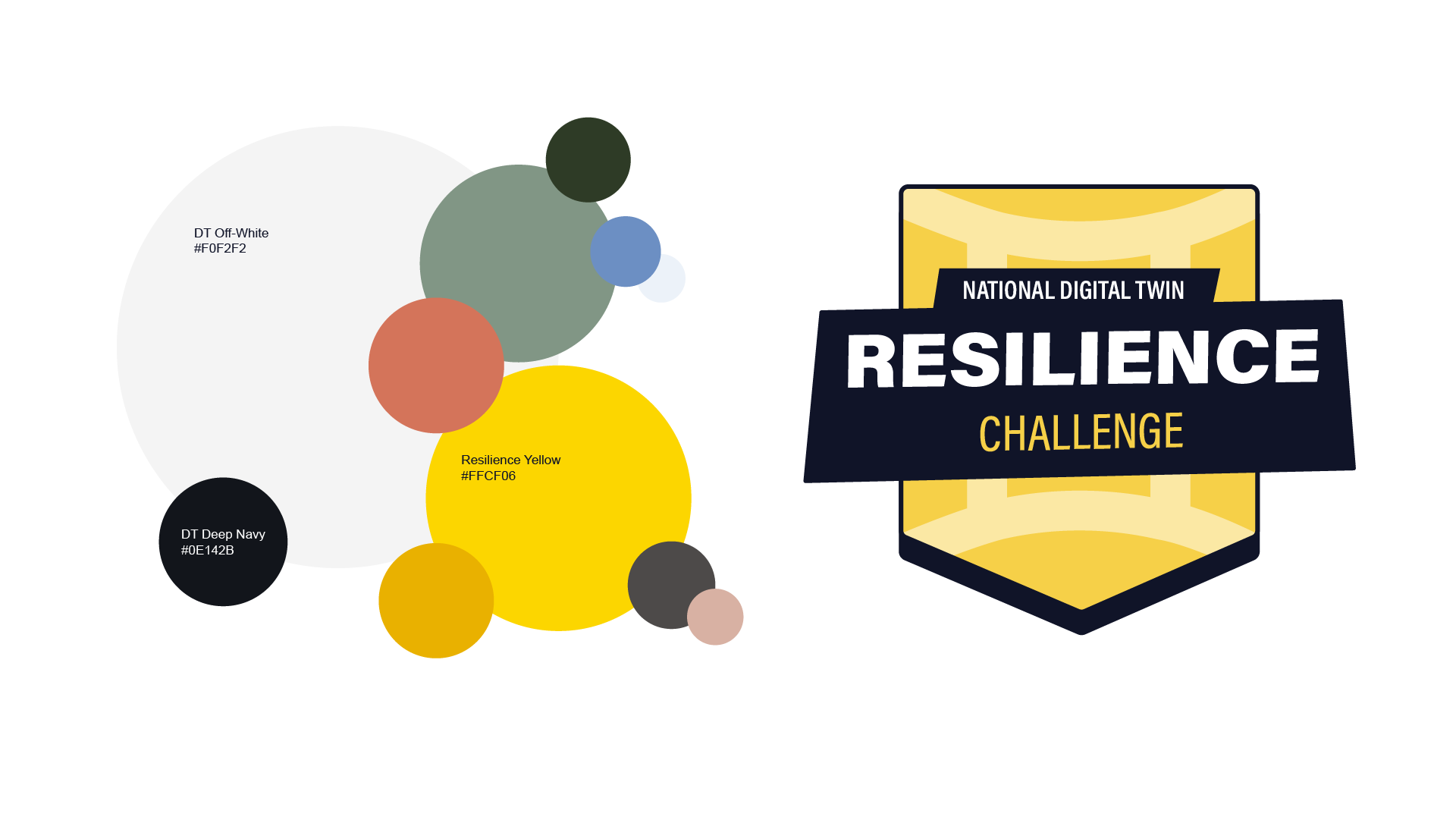
We knew it was important for this project to have a strong and resonant identity that could be carried across this project and beyond.
As we created the original brand for NDTP, we included elements of that in the new brand; but we also incorporated other elements, such as achievement badges like the ones prevalent in gaming, plus a striking new colour palette (a key trend in the Gen Z design space).
Pre-event packs
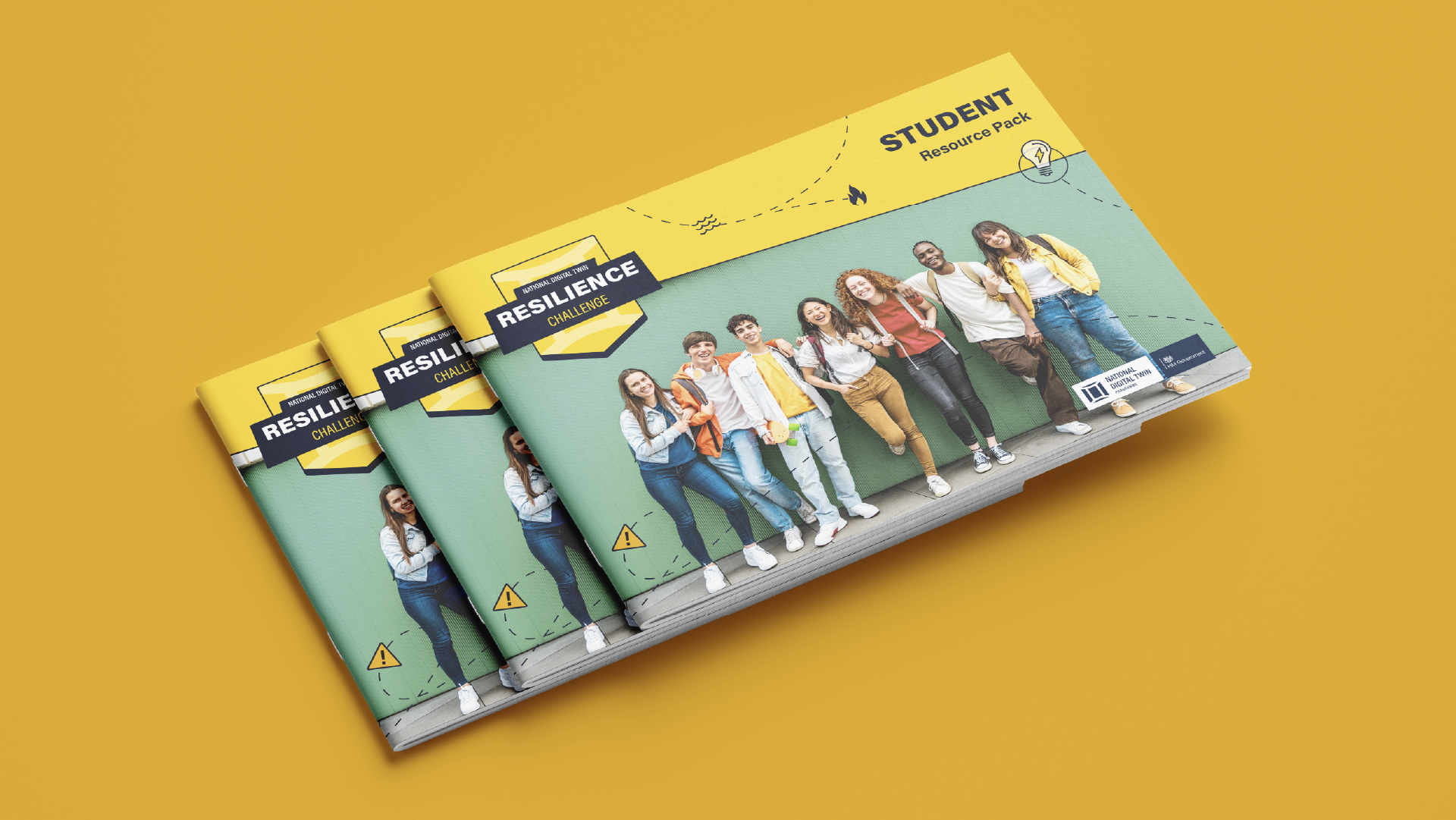
We wanted to engage and inspire extremely busy teachers from the beginning.
As well as creating the initial brand, we also designed the pre-event communications campaign assets, including separate packs for teachers and students to provide all the information they needed, answer all their questions, quell all their fears, and ramp up their enthusiasm!
A digital platform
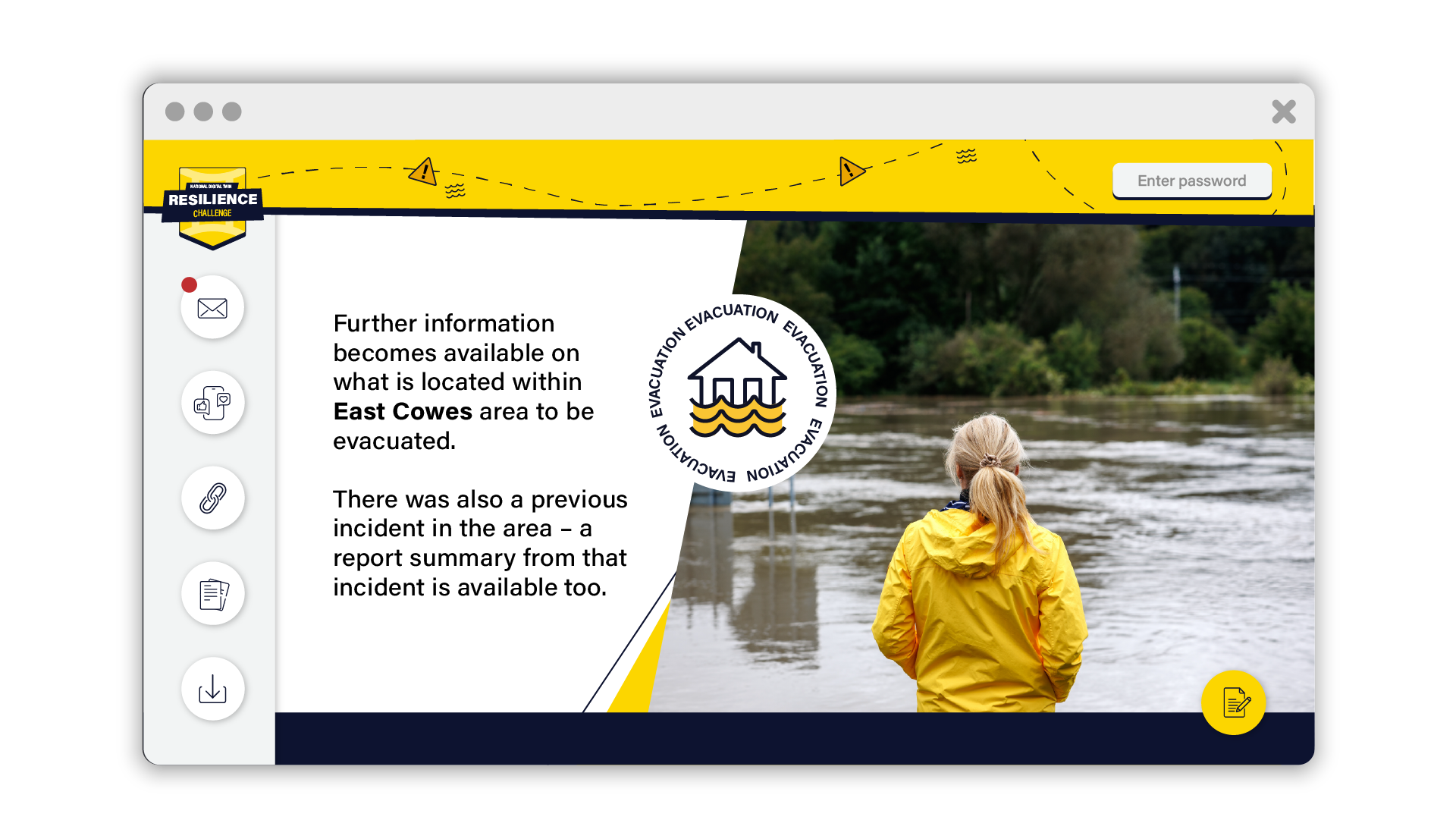
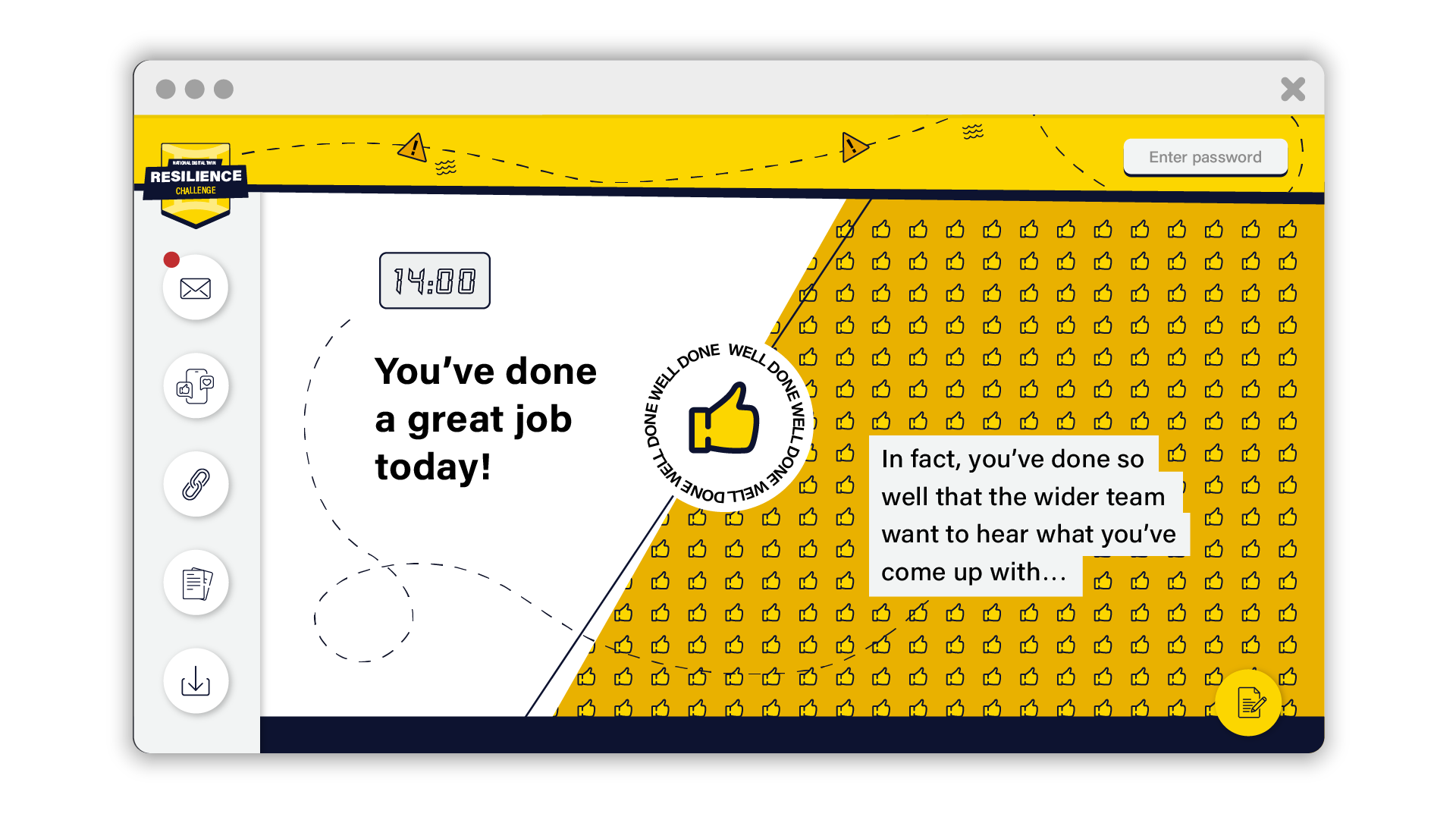
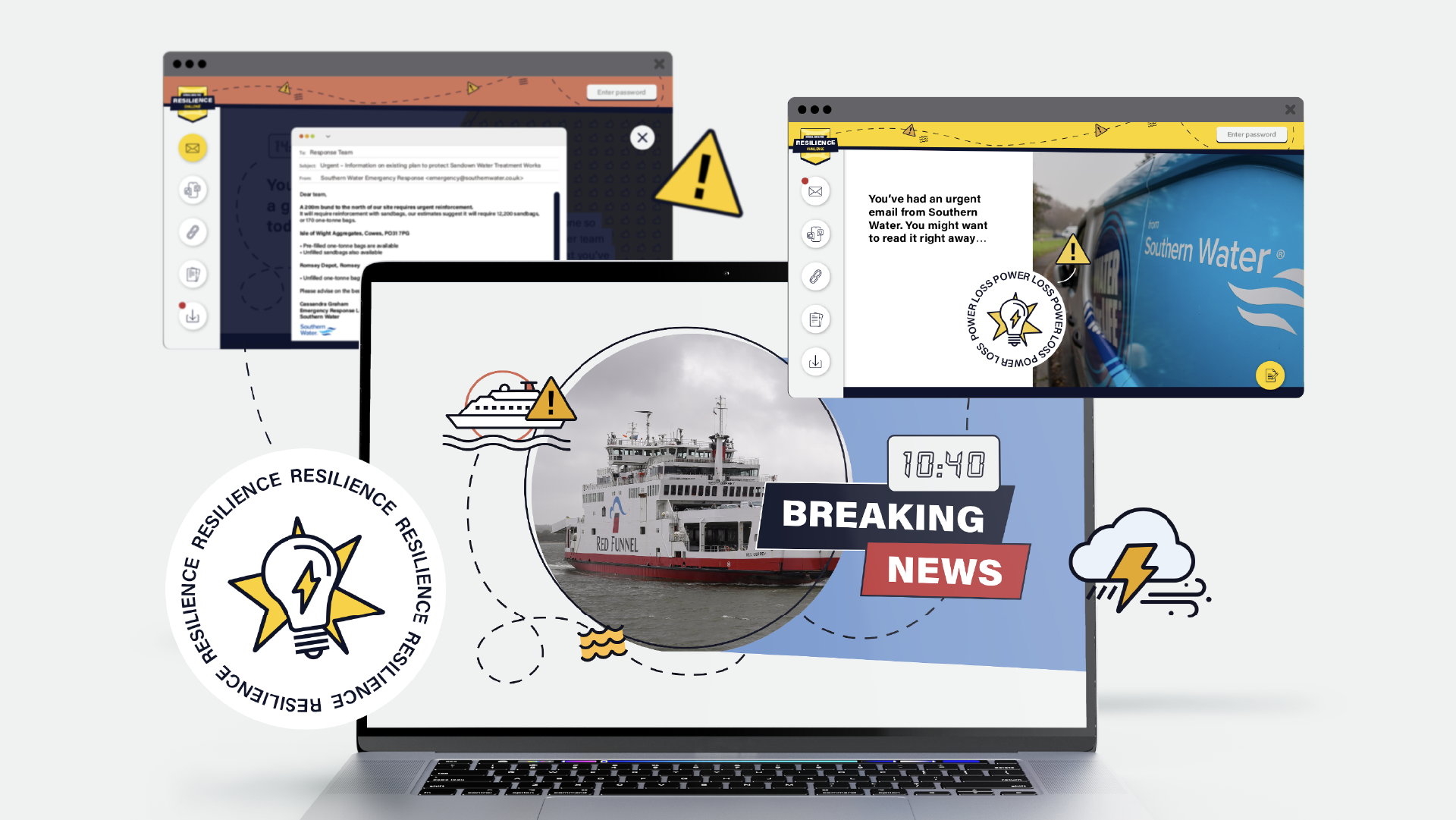
By delivering this via an online platform, we were able to maintain momentum and high energy for the students on the day.
The tool was easy to use and, as the scenario itself included so many online elements (like social media posts impacting the emergency services reactions), we really wanted to create an interactive, online experience to bring it to life.
Multimedia assets
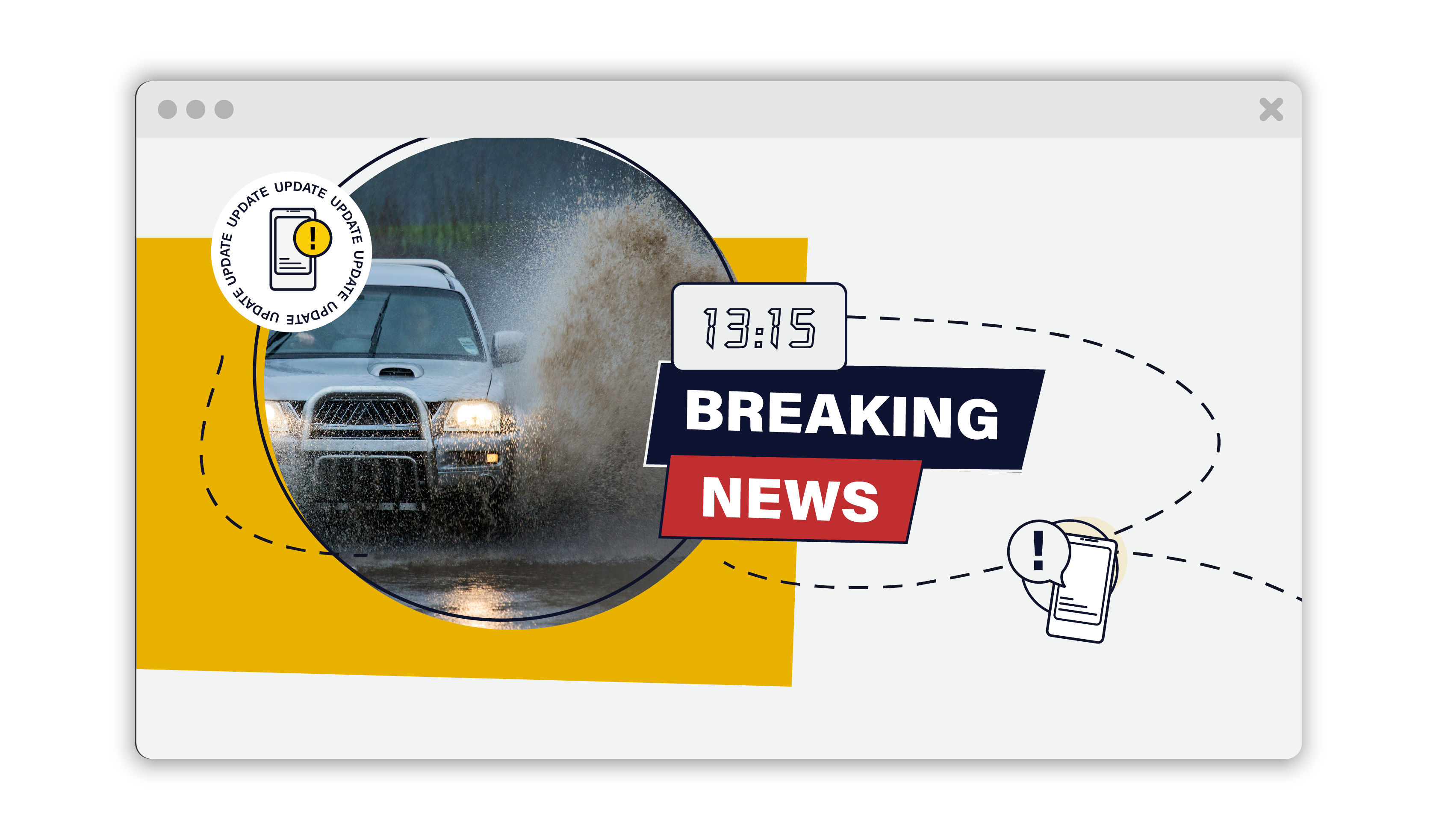
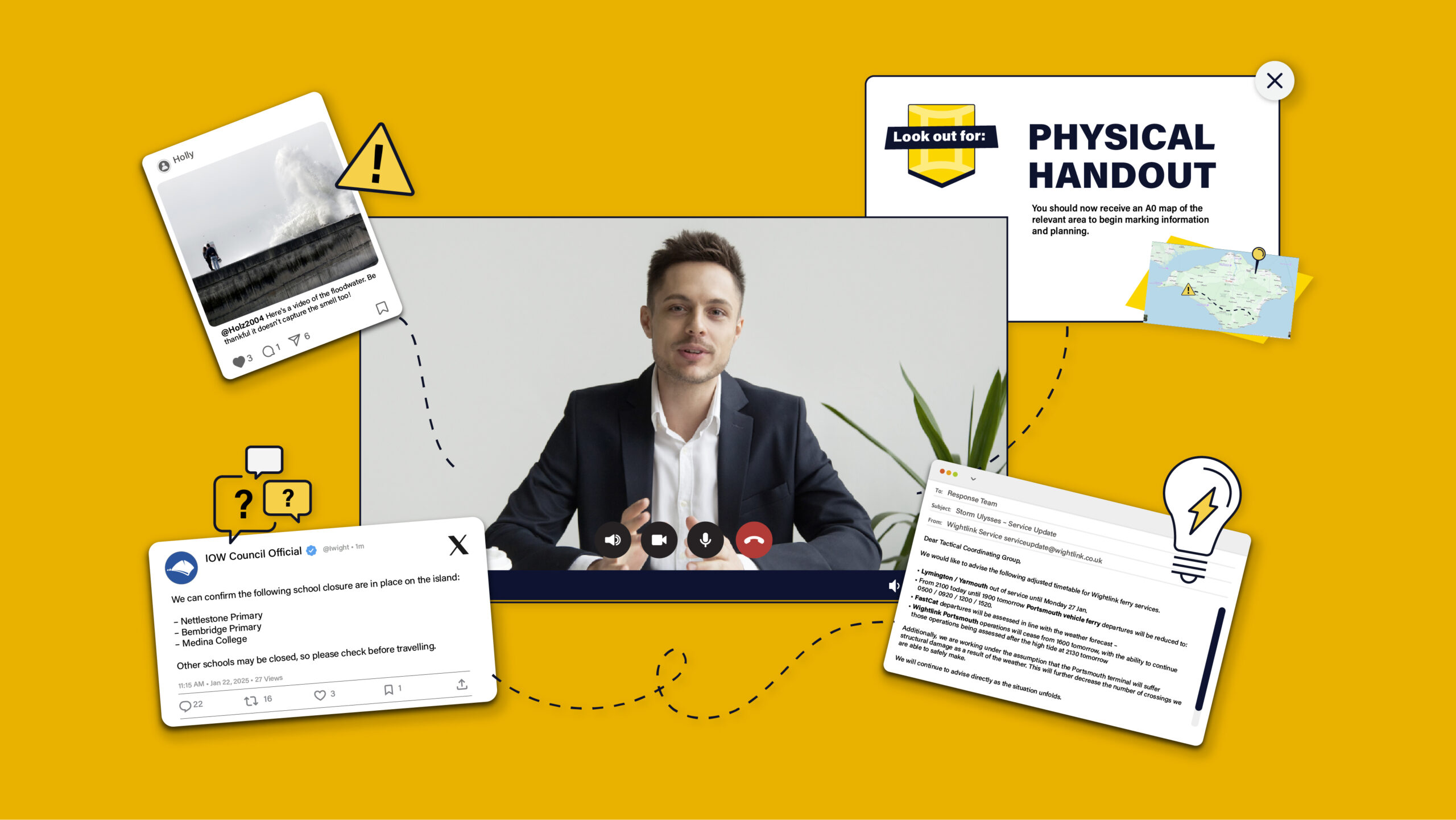
We created a host of different information formats to keep things engaging. This included email updates, videos of important calls for students to review, social media posts to assess, and even a radio call-in show to listen to – all released at staggered intervals throughout the day, so news was constantly arriving.
What we delivered
// Event packs
// A digital interactive platform
// Multimedia assets
// Pull up event day banners
Branding
We knew it was important for this project to have a strong and resonant identity that could be carried across this project and beyond.
As we created the original brand for NDTP, we included elements of that in the new brand; but we also incorporated other elements, such as achievement badges like the ones prevalent in gaming, plus a striking new colour palette (a key trend in the Gen Z design space).
Pre-event packs
We wanted to engage and inspire extremely busy teachers from the beginning.
As well as creating the initial brand, we also designed the pre-event communications campaign assets, including separate packs for teachers and students to provide all the information they needed, answer all their questions, quell all their fears, and ramp up their enthusiasm!
A digital platform
By delivering this via an online platform, we were able to maintain momentum and high energy for the students on the day.
The tool was easy to use and, as the scenario itself included so many online elements (like social media posts impacting the emergency services reactions), we really wanted to create an interactive, online experience to bring it to life.
Multimedia assets
We created a host of different information formats to keep things engaging. This included email updates, videos of important calls for students to review, social media posts to assess, and even a radio call-in show to listen to – all released at staggered intervals throughout the day, so news was constantly arriving.
The Outcome
The outcome? We’ll let one of our stakeholders (a real-life resilience co-ordinator) tell you:
“You enabled the students to experience what it’s like for us resilience professionals when dealing with incidents in real life… at times it felt real even to me! The programme was designed to deliver the different scenario injects in a unique, immersive way.”
Lisa Scovell-Strickland
Resilience Coordinator (Emergency Planning), Isle of Wight Council
The Outcome
The outcome? We’ll let one of our stakeholders (a real-life resilience co-ordinator) tell you:
“You enabled the students to experience what it’s like for us resilience professionals when dealing with incidents in real life… at times it felt real even to me! The programme was designed to deliver the different scenario injects in a unique, immersive way.”
Lisa Scovell-Strickland
Resilience Coordinator (Emergency Planning), Isle of Wight Council